5 Things You Didn’t Know About Sound Healing, Craniosacral & SPD
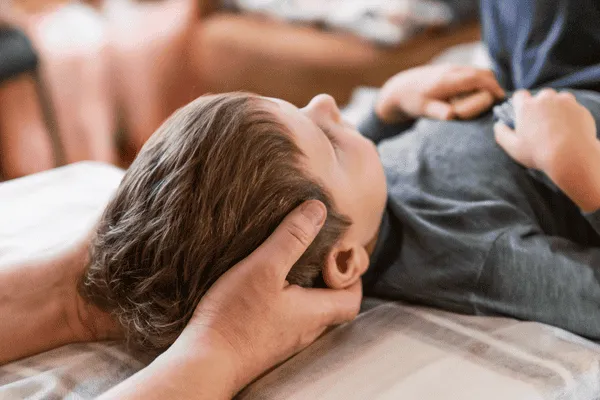
Sound healing is often pictured as bowls, gongs, and music filling a space with vibration. But for many neurodiverse children — especially those with Sensory Processing Differences (SPD) — sound healing can also look completely different. Sometimes the most supportive approach is actually a no-sound, slow, deeply regulating session, like Glow Within’s two-hour Hippo experience inspired by craniosacral principles.
And whether it involves intentional frequencies, gentle sound healing instruments, or the therapeutic use of silence, these modalities can meet sensitive nervous systems in ways families don’t always expect.
Before we dive in, here’s what this article helps you explore — so you can understand which approaches may best support your child.
What You’ll Learn About Sound Healing & SPD
The link between SPD, Craniosacral & sound healing therapy
Sound healing frequencies and instruments to support sensitive children
Sound healing benefits and meditations you can practice at home
Scroll down if you prefer to explore with me on YouTube!
1. Sound Healing: Why It Matters for Sensitive Nervous Systems
Sound healing is more than soothing music — it’s a way of communicating safety to the nervous system without using words.
For SPD children who easily feel overwhelmed, sound healing supports calm through vibration, rhythm, and predictable sensory input. Instead of trying to “explain calm,” sound healing invites the body to experience it.
You might notice small shifts first: softer shoulders, steadier breathing, longer pauses after exhale. They’re signs that the child’s body isn’t bracing anymore. And you may notice with regular sound healing, they are less overwhelmed, or they can more easily find calm when you integrate it.
This is a practice I have integrated into my day for over 15 years - with clients, at home with my family, and almost inaudibly in corporate settings. It's the vibration that makes the difference, not the volume. That being said if you are playing a sound healing instrument, the magnitude of the sound can have an impact.
2. Craniosacral & SPD: Understanding the Connection
Many neurodiverse children live in a heightened state of alertness. Their bodies are constantly scanning, bracing, or compensating because our world is overwhelming. Craniosacral therapy supports their nervous system, fascia and felt sense of safety.
The Craniosacral system is part of the nervous system that integrates interoception (internal awareness) and neuroception (safety system) through our senses. There are 12 Craniosacral nerves, one of which innervates our ear. Messages filter in, to the brain stem, and we choose how to respond - sympathetic (activate) or parasympathetic (safe). This message is sent out through our Vagus Nerve (10th Craniosacral Nerve) to our organs via neurotransmitters to coordinate the appropriate response.
So for a child that feels activated often, a calming environment to include absence of sound or rhythmic sound can be very healing and promote a sense of calm.
With sound healing or even the absence of sound, you may notice:
deeper, slower breathing
softening of the jaw or hands
more spontaneous engagement
less overwhelm in the system & greater capacity

3. Sound Healing Frequencies: What They Actually Do
You may have seen frequencies like 432hz or 528hz online. While social media can overstate their effects, there is grounded science behind frequency-based support.
Different sound healing frequencies can influence:
grounding and calm
emotional processing
mental clarity
But here’s something important - children with SPD don’t respond to all frequencies the same way.
Some find high tones overstimulating. Others prefer deeper, slower vibrations. This is why I recommend allowing your child to choose and noticing micro-cues in your child's system — those subtle expressions that show whether a child is softening, tensing, leaning in, or pulling back. Notice their breath and shoulders if this feels new to you.
Frequency work only helps when the nervous system receives it as safe. In other blog posts, I share various types of sound healing:
Solfeggio - pure tones, as many were changed in the early 1900's so to the sensitive ear, they feel 'off'
Binural beats - stimulating both sides encouraging balance and grounding
Various sound and colour frequencies (brown noise, green noise, white noise etc)
You can also find different frequencies on YouTube or Spotify or my list here.
4. Sound Healing Instruments: What Supports — and What Overwhelms
This is one of my favourite ways to support children, especially neurodiverse children. They naturally gravitate to it! When I had my studio, children of all ages went right for the crystal bowl. Offering these instruments helps children to be fully engaged in the experience - kinaesthetically and auditory. There are many sound healing instruments, each offering different textures of vibration:
Tibetan and crystal bowls
Tuning forks
Chimes
Ocean drums
Rain sticks
Tung drums
Some instruments are more regulating for sensory-sensitive kids than others. For example:
Ocean drums mimic nature, offering flowing, predictable sound
Rain sticks create gentle auditory “movement”
Tuning forks may feel too intense or sharp for sound-sensitive children
Crystal bowls can be powerful, but overstimulating for certain sensory profiles
And sometimes the most supportive “instrument” is not an instrument at all — but the slow, rhythmic movement of the body in silence.
5. Sound Healing Benefits: What Families Commonly Notice
Parents often describe sound healing benefits as “gentle but deep.” Instead of sudden big changes, they see steady, meaningful shifts over time, to include:
better sleep
fewer sensory crashes
improved transitions
more emotional expression
less tension in the body
longer periods of calm
increased connection and engagement
For many children with SPD, the biggest shift is an increased ability to rest. Rest opens the door to everything else — flexibility, resilience, and emotional awareness. Because I encouraging supporting parents and children together, the entire family nervous system receives the benefit.
Help your child find sound that is soothing for them. I would recommend trying this as a regular practice before bed with gentle movement - maybe in a sensory swing, gentle yoga forms, laying under a weighted blanked, maybe fiddling with a sensory tool while they listen, or playing a sound healing instrument themselves. Explore the breath with the sound - deep inhale expanding the belly, deeper sigh exhale. Allow them to guide what feels nourishing in their bodies.
Sound healing — whether through frequencies, instruments, or therapeutic silence — is about creating an environment where your child's nervous system feels safe enough to soften. For children who are resistant to new things, you may want to practice this 5 minutes a day in front of them every day, and let them warm up to the idea.
For many families, the biggest transformation happens when their child no longer needs to brace against the world. And when your child feels this sense of safety in their body, the entire family system feels it too. Sometimes the quietest moments are the most powerful ones.
Dive Deeper
If you have any questions, please feel free to reach out!
🌺 Katherine
Please note that this information is intended for educational purposes only and should not be considered medical advice. Always consult with a healthcare professional for personalized guidance.