The Hidden Vulnerability of Sensitive & Neurodivergent Children (that no one is talking about)
Most safety conversations with children sound the same.
"Use your voice."
"Say no."
"Tell an adult."
These are important… but they also assume something that often isn't true, and this is why we see so many children get stuck in tricky situations that affect their wellbeing and safety. And if you’re raising a sensitive or neurodivergent child, this is often amplified for a few reasons we’ll dive into.
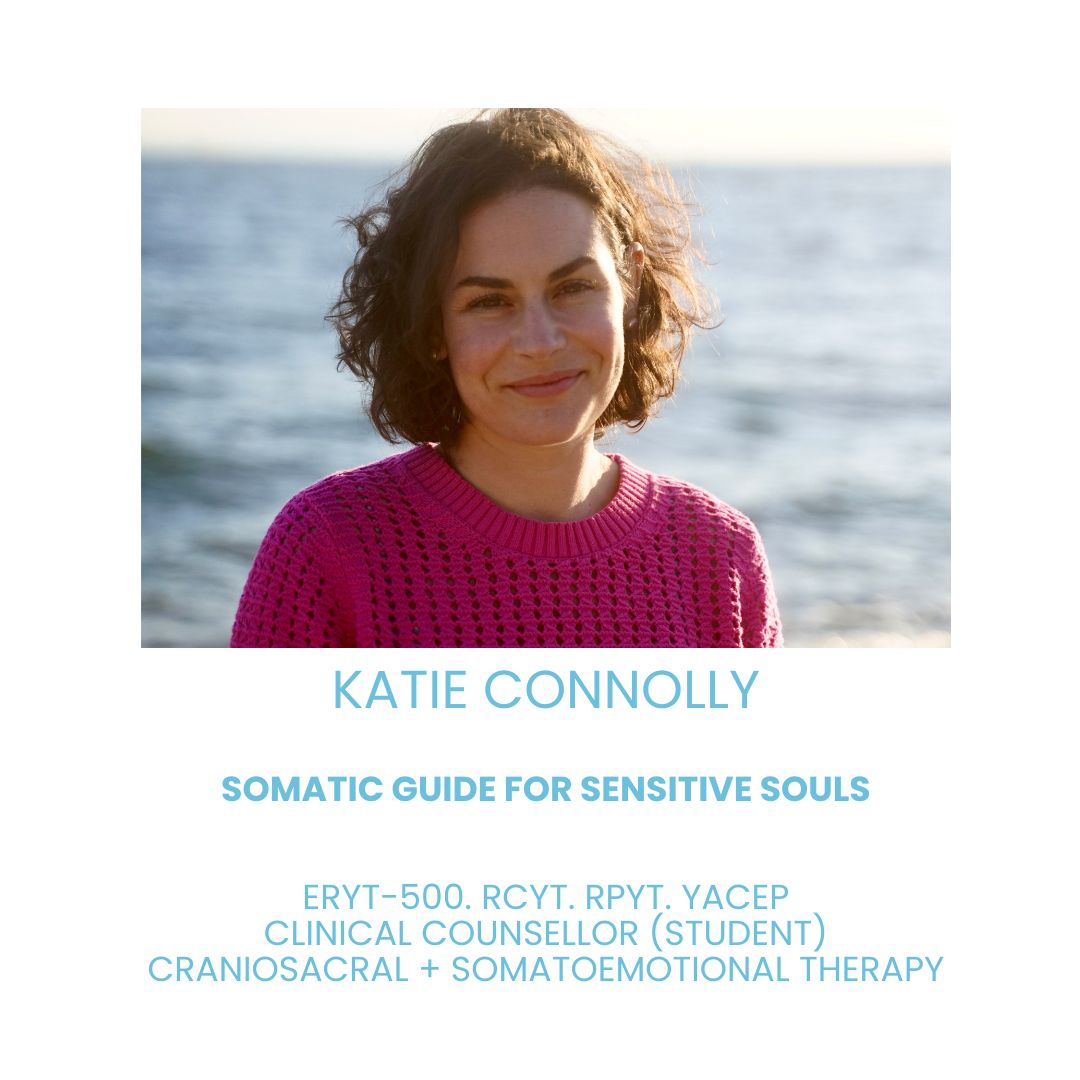
As a sensitive (AuDHD) mom of a ND family and Neuroaffirming Somatic Clinical Counsellor, this is very close to my heart. The missing piece is the assumption the child will be able to recognize when something feels wrong, access their voice, and respond in the moment.
You may already have a quiet knowing that something doesn't quite add up here, one that whispers:
What if my child can't access that when it matters?
What if they freeze... or don't realize something is off?
And the real reason you may have this quiet knowing, is because you were once this child… and your nervous system has been paying the consequences since.
What You'll Learn About Psychological Safety and Child Vulnerability:
Why "good” children are sometimes the most at risk
How psychological safety in child development actually works
The link between sensory overload in children and their ability to recognize danger
Why freeze, fawn, and shutdown are often misunderstood, and the risk in this
What makes a child feel safe and why this matters more than any rule you teach them
Scroll down if you prefer to explore this with me on YouTube!
Why Sensitive Children Are the Most At Risk
Here's the problem with traditional safety education: it focuses on what a child should do, without considering what a child can actually access in their body in that moment.
For sensitive and ND children this is even more complex for a few reasons:
They often process more input at once, leading to (often chronic) overwhelm
They have their boundaries crossed more often in a variety of settings
They get told they are wrong, hear ‘no’, and gaslit often
They may be naive or have learned to trust others more than themselves
They typically struggle understanding their own body cues or distrust them
Social cues can be tricky to understand, so red flags don’t stand out
Under pressure many default to freeze or compliance because this feels ‘safer’
Which means in many day to day situations, including tricky ones like peer-pressure, online interactions, or other threats to their safety, their awareness may decrease, the body shifts into survival as it does for most people, and learned strategies are typically not accessible.
This has nothing to do with intelligence, emotional IQ, or whether your child understands the rule. It has everything to do with their nervous system and what they have learned to be ‘true’ in their early years. This is why when sensory overload gets mistaken for a behaviour issue and treated as such, it only amplifies the child’s disconnection with self and leads to greater risk.
The interesting part I have seen in my personal experience and in working with parents since 2011, is the "good" child — easy, compliant, eager to please, never causing a scene — may present as ‘fine’ on the outside while their nervous system is anything but.
Sensory Overload in Children: Why awareness comes before action
A child can’t act on something they don't feel.
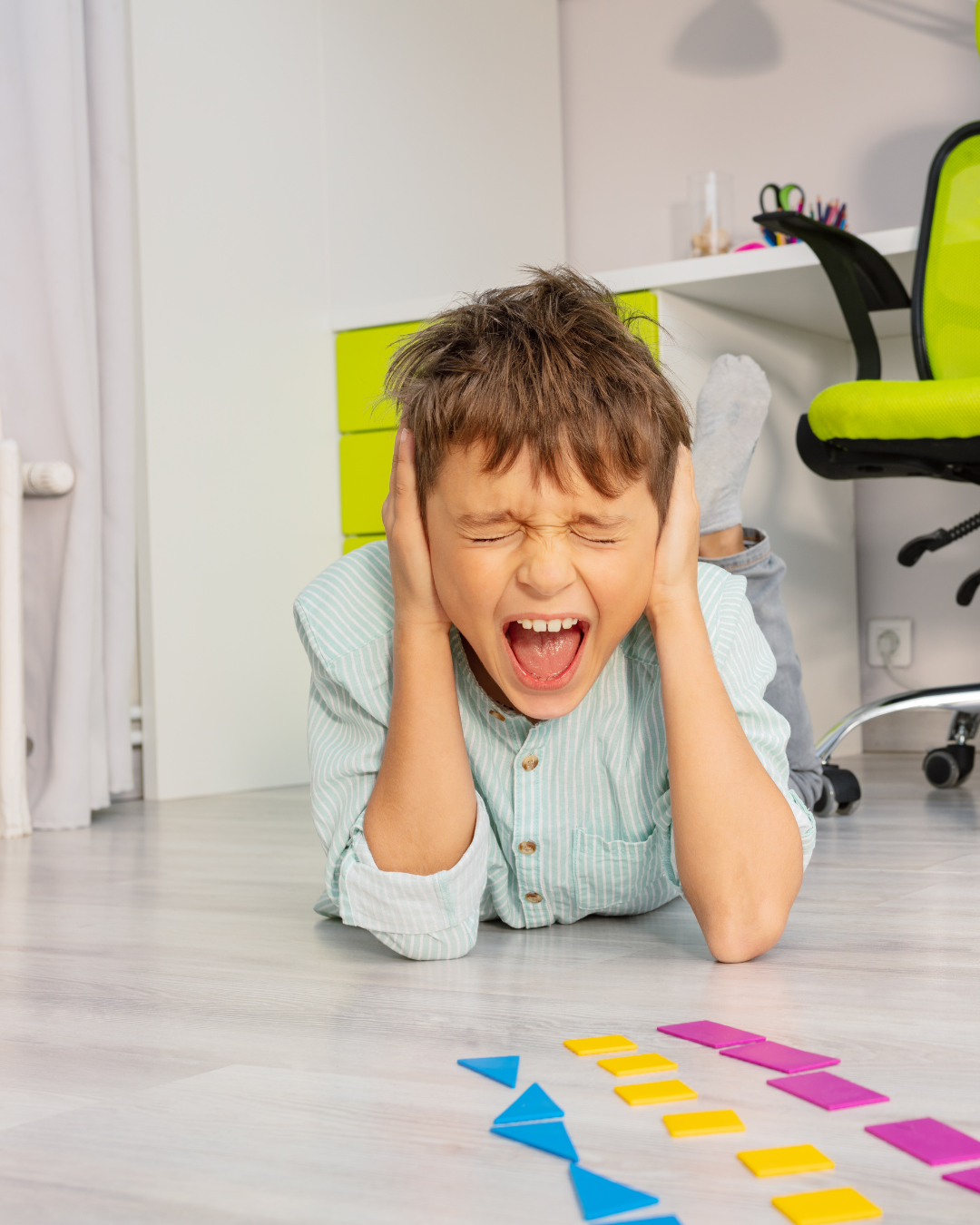
Sensory overload in children happens when the nervous system takes in more input than it can process and integrate in that moment. For sensitive and ND children, this threshold is reached faster, and more often, leaving them unable to access their body.
For a moment, think about yourself when you’ve had a busy day: Perhaps you started your day with your attention and care already needing to be directed outwards, prepping breakfast, packing lunches, negotiating outfits, trying to prevent a meltdown… oh and this is only before 9am.
How connected are you feeling to your body in this moment?
And the demands of the day continue, only to come home to prep dinner (which of course you planned earlier in the week and did all the shopping for because you’re the one holding it all together), to get the bedtime routine happening, try to hold space for another meltdown… and then you’re beyond utterly exhausted… only to do it again tomorrow.
And now, how connected are you to your body?
The same goes for our sensitive children. They’ve been bombarded with lights, visuals, sounds, energy of people and spaces, demands etc all day. And then they come home and often meltdown or shutdown because they have experienced sensory overload, again.
If a child is disconnected from their body, already overwhelmed, or used to overriding their own discomfort, they may not register the early signs that something is "off." They just don’t have access to their internal signals (interoception) as they're in survival mode, again. So even a child who's been taught exactly what to say and do is unlikely to access it when they need it.
Why Compliance Is Not the Same as Safety
Even when a child does notice something, that’s not enough. They need enough nervous system capacity to actually respond appropriately.
When a child (or anyone) is overwhelmed, their body shifts into a survival state:
Fight - they become verbally or physically upset (this is best case as it draws attention if they are unsafe)
Flight - they run, move away, or leave their body (eyes glaze over)
Fawn - they comply, agree, go along and override the discomfort
Freeze - they shutdown, aren’t able to speak or act
These are not choices, they are automatic nervous system responses. And unfortunately many of these behaviours are misunderstood, which means:
A child who defaults to fight is restrained or disciplined
A child who goes into flight is told to pay attention and focus
A child who fawns is praised for overriding themselves
A child who freezes is seen as calm or told to do the thing
I am not advocating permissive parenting, coddling and lack of boundaries, because that has plenty of its own safety implications, I’m suggesting as the safe adults that we take a moment to consider what else might be going on for the child and their stage of development, and respond appropriately from there. And trust me, as a parent I do appreciate this can be challenging if you don’t have capacity yourself.
What Makes a Child Feel Safe?
So if rules alone aren't enough — what actually helps? Understanding what makes a child feel safe is the real starting point.
What makes my child feel safe enough to notice themselves and respond?
This is what the psychological safety of the child rests on: their felt, embodied state. This means helping nourish capacity in your child’s system and your own, as you are their primary co-regulator. Your wellbeing can not be understated, as a sensitive child can read through any ‘calm’ facade, which registers as misalignment, leading to overwhelm for them.
This is one reason many parents will try all the things, therapists etc to support their child and nothing changes, because they are feeling the parent who is (understandably) totally overwhelmed and has directed all their love towards their child, leaving nothing for themselves.
This is exactly why I offer the Embodied Family Circle, where we explore Somatics, sensory integration, holistic development and more to support parents, so change actually becomes possible (and often happens faster than they imagine).
The shifts naturally emerge when we come from this perspective, and become part of your child’s way of being and their subconscious patterns into adulthood. There is no force, no trying more or harder, just support that meets the family nervous system where it’s at.
And when we do this:
Learning becomes more accessible
Emotional responses become more flexible with quicker recovery
Connection deepens within the child and the relationship
And interoception grows, helping the child to advocate for themselves
This is the foundation of self-trust, discernment, healthy boundaries, and safety.
It comes from consistent experiences of co-regulation, reduced overwhelm, and gentle awareness of the body over time, so the nervous system begins to register: I am safe enough to be here.
If you’re ready to truly foster your child’s safety, go here.
🌺 Katherine
CCC. RCC. ERYT-500. RCYT. YACEP
Please note that this information is intended for educational purposes only and should not be considered medical advice. Always consult with a healthcare professional for personalized guidance.