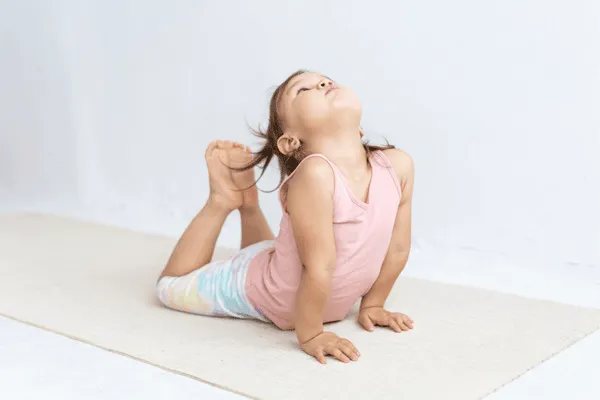
4 Ways to Incorporate Yoga for Preschoolers Bedtime Routines
Bedtime can feel like a nightly challenge for neurodivergent (ND) children and their families. From racing thoughts to sensory sensitivities, helping children wind down isn’t always easy. And it's not unusual for Autistic and ADHD children to struggle with sleep once they do get in bed.
But there’s hope! Gentle, playful yoga can guide your child toward calm, focus, and a restful sleep.
I have been practicing yoga since I was 7 (or maybe younger), am a Registered Children's Yoga Teacher, and founded a Registered Children's Yoga School - guiding parents, educators and therapists to teach children and youth from 1-15 years! I have learned a thing or two over the years, and base my work in the nervous system. So I hope these tips support you and your family!
What You’ll Learn About Bedtime and Yoga for Neurodiverse Children:
Yoga poses for preschoolers: simple, calming sequences for toddlers and young children
ADHD bedtime routine: strategies to support focus, relaxation, and restful sleep
Yoga for 3 year olds: age-appropriate activities to ease tension and foster calm
Bedtime and Autism: tips for creating a predictable, soothing nightly routine
Scroll down if you prefer to explore with me on YouTube!
Neurodiverse Children & Bedtime Routines
If you're raising a child who has boundless energy or struggles with bedtime transitions, you may be raising a sensitive or Neurodiverse child - and there are lots of natural ways we can support them in nourishing their nervous system and fostering connection.
ADHD Bedtime Routine: Using Yoga to Support Focus and Calm
Children with ADHD often struggle to settle at night. Perhaps you're familiar with bedtime zoomies - that last burst of energy (that can go on for 30 minutes or more). Sometimes this is indication your child didn't get enough physical exercise or other stimulation during the day. Adding yoga to their bedtime routine can help shift from high-energy play to winding down for a good night sleep.
Here are practical tips:
Consistency matters: You don't need to do the same thing (that doesn't feed the dopamine need for ADHD'ers) but keep the timing and where this fits in your routine the same for predictability.
Add in breathwork: “Smell the flower", or "blow out the candle" is a fun way to teach deep breathing, which helps to calm the nervous system.
Use comforting props: Soft blankets, favorite stuffed animals, or a yoga mat can make the experience soothing for our sensory seekers.
Even small, consistent efforts can make a big difference in sleep quality and reduce bedtime struggles. You may start out with 5 minutes, and that's ok. Sometimes we just need to do our thing and they follow. I used to say I'm going to have a 5 minute yoga practice to relax and my girls would inevitably follow along.
Bedtime and Autism: Creating a Predictable, Sensory-Friendly Routine
For autistic children, bedtime can be overwhelming due to sensory sensitivities and difficulty transitioning. Yoga offers a structured, soothing way to signal the end of the day.
Try these tips:
Visual cues: Pictures or charts showing each yoga step. Yoga cards or yoga books can be a great tool, and are generally good for younger children.
Calming environment: Dim lights, soft blankets, gentle music like solfeggio or binural beats. I've shared my link below in the last section to my playlist.
Slow pace: Allow extra time for transitions. If your routine takes 1 hour, maybe give yourself an hour and a half to allow for the little extras.
Consistent timing: Performing yoga at the same time each night builds routine or rhythm, which is powerful for reducing overwhelm and gives your child a sense of mastery.
Remember: comfort comes first. Let your child create their own poses, choose movements, and use props as needed. This approach supports self awareness and sensory integration, not perfection.

Yoga for Preschoolers: Simple Moves to Calm the Mind and Body
Many people think yoga for 3 year olds?! Yes, yoga for preschoolers is a thing and a powerful way to share nourishing nervous system practices through play. We need to meet them where they are at... and it's all about play and imagination at this age.
I suggest practicing in the same space every night, following the same flow of your evening rhythm. Create a calm, clutter-free, low-lit space, and dive in!
Here are my 4 favourite ways to share yoga with preschoolers:
Yoga books - If you're not familiar with yoga, there are some great books like "Goodnight Yoga" that can guide you through a little sequence. You can read each page to your child as you create the form that the image shares, then you can put it all together!
Other stories - I also like to read other books we have and use those as a creative platform. For example, if there are animals in the story, can you move and breathe like them? If the story is more about emotions, can you create a shape in your body that shows how you feel with the different emotions?
Get creative & get your sillies out! Choose 5 animals - perhaps 3 big & loud ones, 2 quieter ones. Ask them what they move and sound like during the day - follow their lead! Our children LOVE when we get down on their level and follow them as the leader for a change. After you've done this, ask them what they look and sound like when they sleep.
Yoga cards - Children's Yoga Cards can be great sources of inspiration! Some decks are very direct in what you are to practice (Yoga Pretzel) and others allow for more creativity. In fact this is why I created my deck, to incorporate the Somatic aspect - connecting our emotions and bodies through play!
Create Your Bedtime Yoga Routine:
Set aside 15 minutes before bed for a short yoga flow. Generally there is a little energy that needs to be released first, then dive more into the slow or calmer forms.
These gentle movements help children come into their bodies, release any sillies, and start to wind down... in a way that really speaks to them. Keep the tone playful - there is no right or wrong way to practice.
Over time, your child will start to associate these poses with relaxation, making bedtime less stressful for everyone. And a pro tip - build the following relaxation into your last 5 minutes.
Age-Appropriate Tips for Relaxation
Sound healing: I play this quietly to help foster calm - you find sound healing or binural beats on YouTube and most music apps
Sound healing instruments: I recommend the tung drum (Balmy drum), crystal bowl (teaches them to play gently), or chimes for this age group
Singing breaths: Soft humming or a little lullaby song while you lay down for your final form incorporates breath, which helps to soothe the nervous system
Mindful breaths: In addition to breathing like sleeping animals, we can place a stuffy on our tummy's and watch it rise and fall slowly with our breath. You can cue inhale 1-2-3, exhale 1-2-3-4, but they know what they're doing usually (and telling our PDAer's won't help them relax). I may count this out for myself but that's about it.
By making yoga playful and predictable, young children are more likely to participate without resistance—making bedtime smoother, particularly for ADHD and Autistic children. We're tapping into all their sensory needs to help nourish their nervous system.
And the best part?! When we practice in calm moments, and remind them during challenges, we can reduce overwhelm pretty quickly. You might even find your child makes the connection and uses some of these tools to help themselves during the day! My girls did!
The goal isn’t perfection—it’s connection, calm, and consistency. Even small, gentle nightly practices can lead to big improvements in sleep, mood, and overall well-being for your child.
Want to Learn More?
Go here to explore Heart Centred Parenting
Sign up to get science, promos & tools in your inbox!
If you have any questions, please feel free to reach out!
🌺 Katie
Please note that this information is intended for educational purposes only and should not be considered medical advice. Always consult with a healthcare professional for personalized guidance.