Nervous System Regulation: Why asking your body to regulate is the wrong starting point
Most people assume the goal is to have a calm nervous system, and to regulate your nervous system naturally. But why?
We're expected to have the right tool ready for the hard moment. To hold it together when everything is pulling you apart. But here's what I've seen in working with sensitive and neurodivergent families since 2011:
Trying to reach a calm nervous system when your capacity is depleted, is like trying to drive a car on fumes and wondering why you keep stalling.
The goal was never calm, or learning how to regulate your nervous system. The goal is capacity.
What You'll Learn About Nervous System Capacity vs Regulation:
Why chasing a calm nervous system is causing damage
What "nervous system regulation" actually requires before it can work
How to regulate your nervous system naturally, in a way that's genuinely supportive
3 ways to develop nervous system capacity, even in a demanding world
Scroll down if you prefer to explore this with me on YouTube!
Why Trying to Calm Your Nervous System Doesn't Work
The problem isn't that you're not trying hard enough... quite the contrary. And no, you’re not doing something wrong. The problem is that society has us chasing a calm nervous system without the one thing that makes calm possible in the first place: capacity. The nervous system world has been preaching 'regulation' and 'somatic' tools for several years now... while I've been trying to warn people this is the wrong starting point.
You're moving through your day doing your best. And then a loud environment, a challenging meeting, a difficult moment with your child… one more demand on an already depleted system.
And suddenly, you're done. Snapping at the people you love most. Shutting down when you most need to be present.
So if you’re asking yourself:
Why does everything feel so hard to handle lately?
Why can't I cope the way I used to?
You blame yourself. Feel shame because you can't seem to do it. It's not because you're not trying, or that anything is wrong with you... so please, be gentle with yourself.

The Missing Piece in Nervous System Regulation
Most people are living in a state of chronic nervous system overload, for many very rational reasons given our world today. And there are others who have lived in this state for so long that they aren’t even able to recognize it, and it’s not their fault.
We are navigating more stimulation than ever, more emotional demands, greater uncertainty and fear in our world, and most get far less recovery time than our nervous systems need. And this is amplified for the sensitive and neurodivergent nervous system. And unlike adults who might have at one stage had tools to ‘regulate’, children are dependent on our adult systems to co-regulate. It’s no wonder so many children are struggling.
What looks like irritability is often a system that has been pushed past its limit.
What looks like reactivity or shutdown is a system that has exceeded its capacity.
What looks like burnout is a nervous system that has been signalling ENOUGH, for a long time.
And here's the part most nervous system regulation advice misses entirely: when capacity is low, no tool works. Breathing techniques, mindfulness, a day to rest… it doesn’t land.
How to Regulate Your Nervous System, Naturally.
Most advice stops with a technique, and while those tools do work, they don’t work when the system has no more capacity. Think about it:
You have a cup full of water, add more water and what happens?
It overflows. There is no more capacity. And when we don’t have capacity, we’re in a chronic sympathetic nervous system state - fight, flight, fawn, freeze. We can’t learn, be present, rest, or even allow our body to do what it knows how to do… let alone hold space for anyone else.
I also of course want to talk about ‘regulation’. If you’ve been with me since 2020, you’ve likely heard me explain that regulation goes in the face of Somatic work. ‘Regulation’ denotes control. Keep your emotions contained, repress it, don’t disrupt others or social norms.
I’m not advising that we fall apart all over the place at all, but when we repress it what happens?
We typically seek unhealthy coping tools until we can’t contain it anymore… at which point we explode, implode, or shutdown completely. And we wonder why there are such high rates of anxiety, depression, and burnout.
We all need space to move through our experiences and emotions. This is what Somatic work is all about. And having been working with Somatic practices since I was a child and professionally since 2011, I can tell you this is a big key to building capacity… but not the only one.
Still, a tool can only work if there's capacity to receive it.
Nervous System Capacity vs Regulation: The Key Difference
Unfortunately we commonly hear “How to regulate your nervous system”... so then that becomes a part of our internal language. And then when we’re in crisis, that’s what we search for… and of course, those tools don’t work.
A more useful question is:
How do I build enough capacity, so I am not constantly overwhelmed?
Capacity isn't about controlling yourself more. It's about expanding what your nervous system can hold, so one demand or input doesn't immediately tip you over. So emotions can move through you, without flooding you. And so you have enough space to pause before you react.
This is what creates sustainable change. Not more regulation tools applied to a system that's already saturated. Capacity first so your system actually feels safe, then tools to continue fostering this capacity, then calm follows naturally.
How to Nourish a Calm Nervous System and Build Capacity
Building capacity isn't about doing more. It's about creating the conditions that allow your system to feel safer, less overloaded, and more supported, consistently, over time. Here’s 3 tips to help you begin:
1. Reduce what's already too much. Before adding anything new, look honestly at what's already exceeding your limit — too much sensory input, too many demands without recovery, emotional load carried without support, the habit of pushing through when the body has already signalled stop. Building capacity begins with less, which can be very challenging if there’s patterns of people pleasing, proving your self worth, or caretaking.
2. Build small experiences of safety. Capacity grows through repeated experiences of safety, not big breakthroughs. Being with someone who feels safe. Slowing down enough to not feel rushed. Allowing an experience to complete, rather than pushing through to the next thing. Over time, this expands what your system can hold.
3. Reconnect to the body, gently. Capacity depends on your ability to feel what's happening in your body without becoming overwhelmed by it, so we begin gently. You might have heard to just notice your breath, or feel your feet on the Earth… but for someone who’s been overwhelmed for a long time or has experienced trauma, this can feel like a lot. This is why it’s so important to work with a trauma-informed trained professional who can hold space for you. With the right foundation these small moments build interoception, your body's internal sensing system, so you can catch overwhelm before it takes over.
Building Sustainable Nervous System Capacity
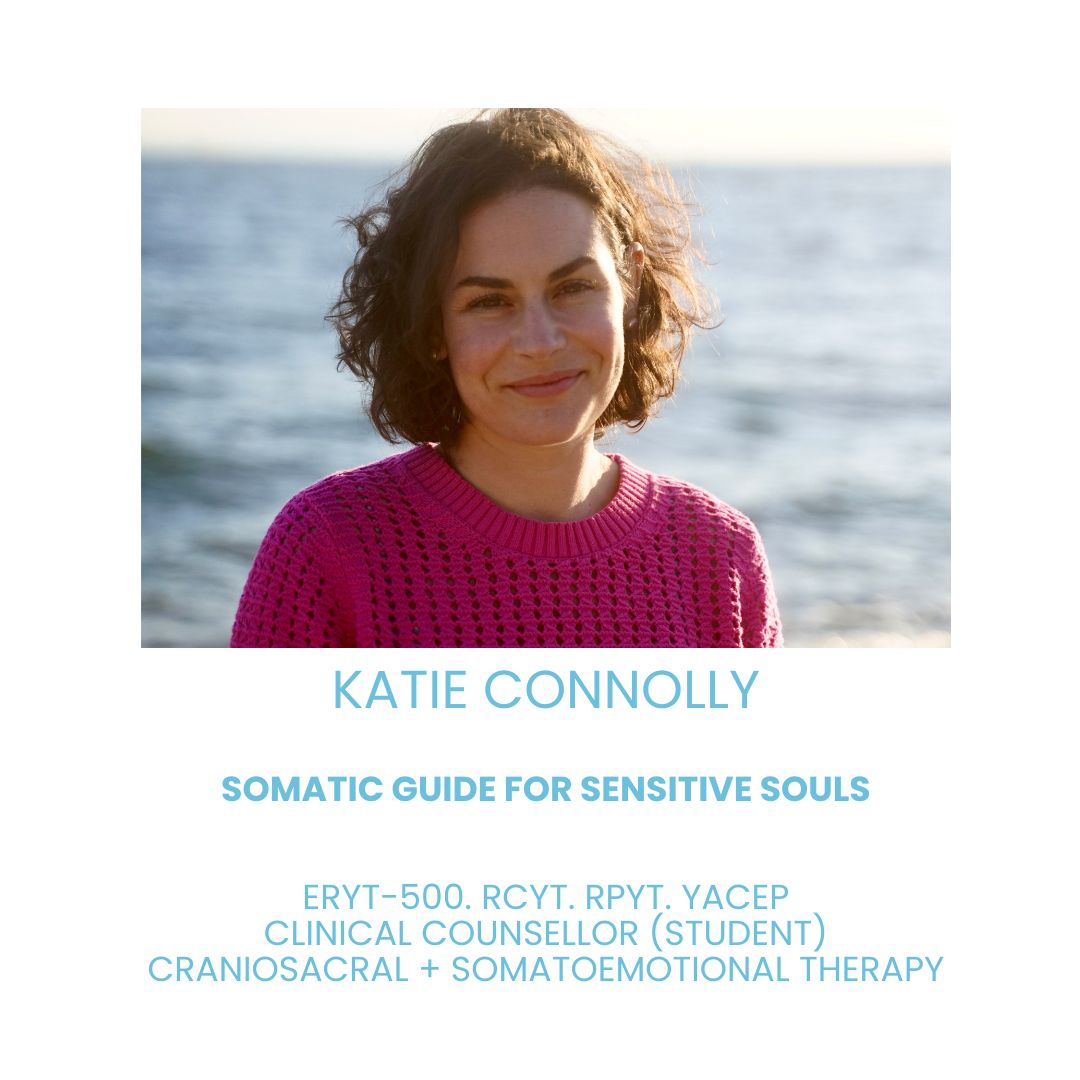
As an AuDHD Neuroaffirming Somatic Clinical Counsellor who’s experienced clinical burnouts, I share this not as textbook advice, but real lived experience and as someone who appreciates the nuances in this.
Capacity is not fixed. It can grow. With the right conditions, your system can learn to feel safer, stay present longer, and respond instead of react, when you are able to actually support it.
This is exactly why I created How to Build Capacity in a Dysregulated World, to help you gently expand your nervous system capacity, understand your body's signals, and create the kind of sustainable change that actually lasts.
If this is what you've been looking for, you can begin here.
If you’re ready to begin building greater capacity & unwinding chronic stress patterns, go here.
🌺 Katherine
CCC. RCC. ERYT-500. RCYT. YACEP
Please note that this information is intended for educational purposes only and should not be considered medical advice. Always consult with a healthcare professional for personalized guidance.